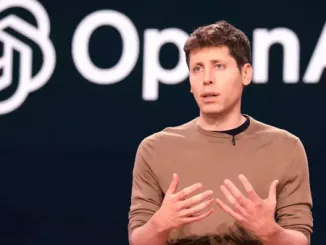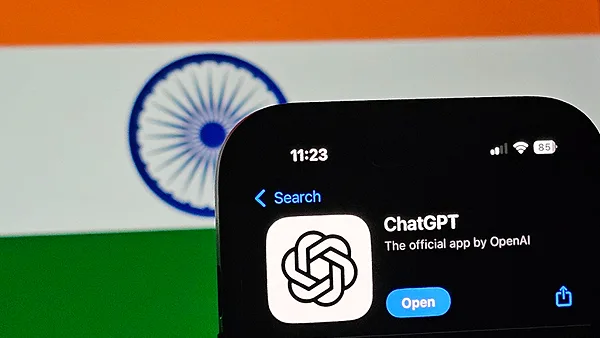
India has emerged as one of the most important markets for OpenAI. CEO Sam Altman revealing that the country now has 100 million weekly active users of ChatGPT. The announcement comes just ahead of the government-hosted India AI Impact Summit in New Delhi, where global technology leaders are gathering to discuss the future of artificial intelligence.
In an article published in The Times of India, Altman described India as OpenAI’s second-largest user base after the United States underlining the country’s growing influence in shaping how AI tools are used worldwide.
India’s massive digital population with over a billion internet users and one of the world’s youngest demographics has become central to the global expansion plans of AI companies. OpenAI strengthened its local presence by opening an office in New Delhi in August 2025 and tailoring its pricing strategy to suit India’s cost-conscious consumers. This included launching a sub-$5 ChatGPT Go plan, which was later made free for a year for Indian users to encourage adoption.
However, rapid user growth presents a bigger question: how to convert popularity into meaningful economic impact.
The Indian government has been actively pushing initiatives such as the IndiaAI Mission, aimed at boosting computing infrastructure, supporting AI startups, and expanding AI use in public services. Policymakers see AI as a key driver of India’s ambition to become a global digital powerhouse. Yet industry experts point out that monetisation in India remains challenging due to pricing pressures and uneven digital infrastructure across regions.
Altman noted that India’s scale offers a unique opportunity to shape “democratic AI” in emerging markets, but warned that unequal access could concentrate benefits among a limited segment of society if not managed carefully.
One of the most striking trends is student adoption. India reportedly has the highest number of student users of ChatGPT globally. From engineering campuses to civil services aspirants and small-town coaching centres, AI tools are rapidly becoming part of daily academic life.
Global competitors are also betting big on Indian learners. Google has introduced AI-focused offers for students, and its Gemini platform has seen strong uptake in India’s education segment. The race to embed AI into classrooms reflects how central Indian students have become to the global AI growth story.
The India AI Impact Summit is expected to draw top names from the tech and political world, including leaders from Anthropic and Google, along with prominent Indian business figures such as Mukesh Ambani and Nandan Nilekani. The presence of international political leaders further signals India’s rising importance in global AI governance discussions.
For Indian users, the milestone of 100 million weekly ChatGPT users signals more than just tech adoption it reflects a shift in how Indians learn, work, and build businesses. Startups are integrating AI into customer service and product design. Students are using it for research and exam preparation. Government departments are exploring automation in citizen services.
Yet the next challenge lies in moving from usage to innovation. Can India move beyond being a large consumer of AI tools to becoming a major creator of AI technologies? That will depend on investments in computing infrastructure, research talent, regulatory clarity, and public-private collaboration.
As global AI firms deepen their engagement with India, the country is no longer just a fast-growing market it is becoming a decisive arena where the future direction of AI could be shaped.