
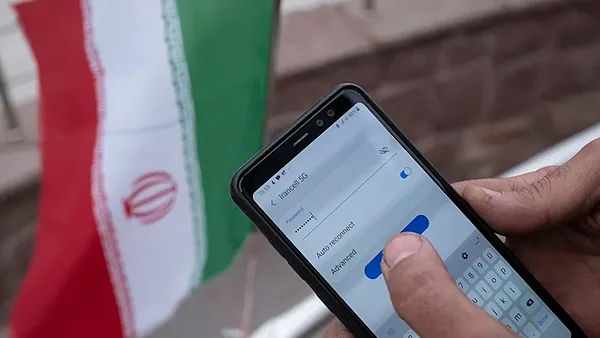
According to The New York Times, Iran is facing widespread internet disruptions, particularly affecting access to foreign websites and popular messaging platforms like WhatsApp. The restrictions are reportedly a result of the Iranian government’s decision to limit connectivity in response to rising cyber threats, especially from Israel, amid increasing geopolitical tensions.
A government spokesperson, Fatemeh Mohajerani, stated that the measures were implemented to ensure the stability of national networks due to “ongoing cyberattacks by adversaries.” As part of the response, Iran is reportedly planning to reduce its international internet bandwidth by up to 80%.
Global internet monitoring organizations have observed a sharp decline in Iran’s connectivity. On June 17, significant disruptions were recorded around 5:30 PM Eastern Time, affecting millions of users. Mobile data services have been severely impacted in some regions, and VPN services that previously allowed users to access foreign websites are now frequently blocked.
WhatsApp, which remains one of the most used messaging platforms in Iran, has been officially discouraged by the authorities, with users being urged to uninstall it from their devices over allegations of information sharing with foreign entities. The platform has refuted these claims, expressing concern that such misinformation may be used to justify communication blackouts during emergencies.
These connectivity restrictions are not only limiting access to foreign websites but also hampering critical communication. Residents are reportedly struggling to receive timely warnings about potential air raids or security threats and are facing challenges in navigating evacuation routes due to the inaccessibility of online maps.
In response, the Iranian government is promoting the use of its domestic digital infrastructure, known as the National Information Network (NIN), which includes government-run messaging and online services. However, many citizens remain skeptical about the security and privacy of these platforms.
Meanwhile, reports suggest that Iran has also intensified cyber operations against Israel. A leading cybersecurity firm noted a noticeable rise in cyberattacks on Israeli digital infrastructure following recent military escalations, attributing these activities to Iranian state-backed entities and allied hacker groups. Iran has previously been linked to international cyber incidents, including interference in foreign elections.
As digital warfare increasingly becomes a tool of geopolitical conflict, ordinary citizens in Iran are bearing the brunt of restricted access, raising global concerns about human rights and freedom of information.
